Understanding digital and satellite car radio, one clear signal at a time
How your dashboard receiver turns a broadcast signal into music, news and talk — the technology behind it, the features worth knowing, and how to pick a setup that fits the way you drive.
What is digital car radio, exactly?
Digital car radio delivers audio programming using a digitally encoded signal instead of a continuous analog wave. Depending on the service, that signal can travel through terrestrial transmitters, satellites, or a connected app — and sometimes all three.
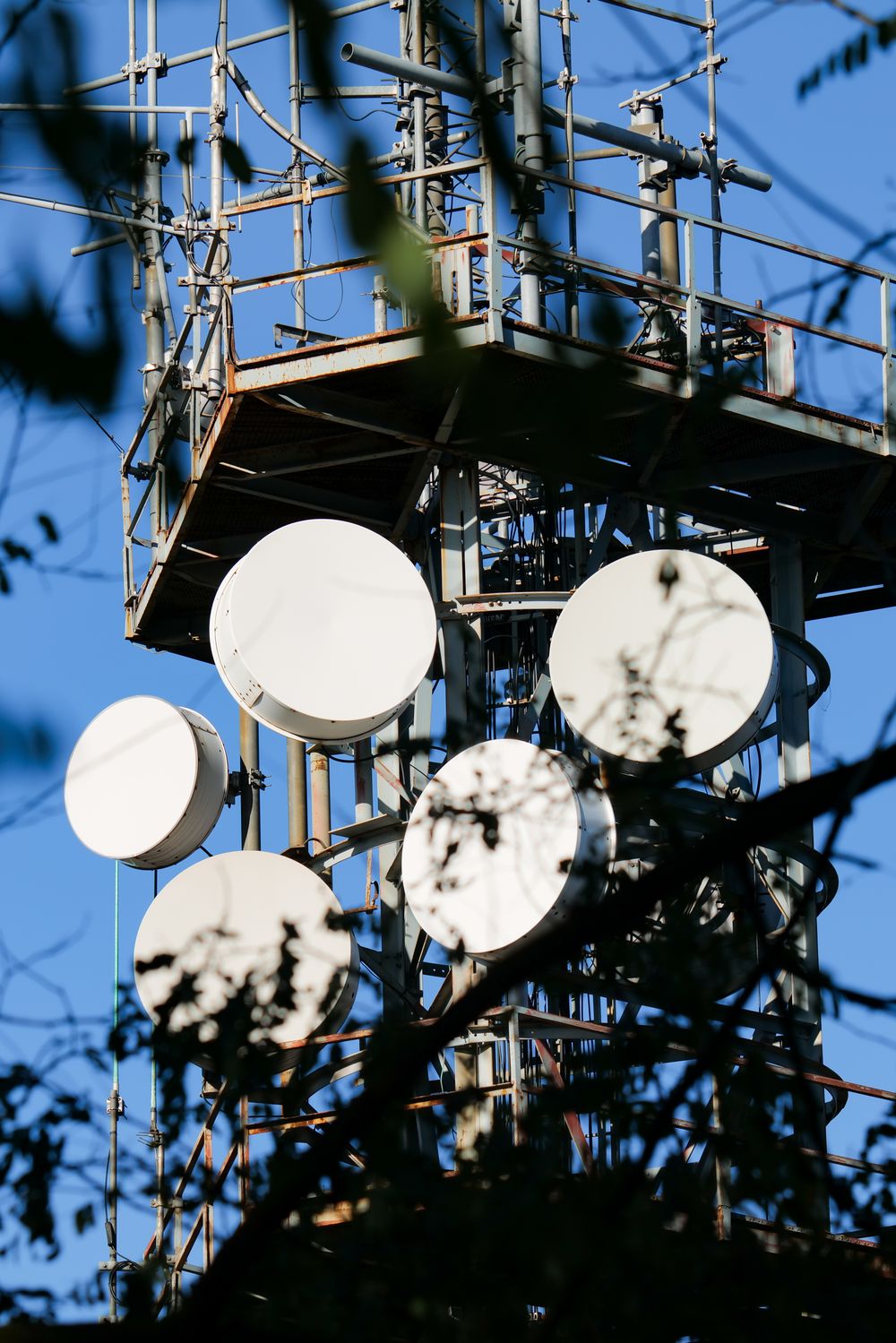
Compared with older analog broadcasting, digital systems can carry extra channels, cleaner audio, and on-screen program details — all without you having to hunt across the dial for a clear frequency.
- Signal is transmitted as encoded digital data, not a raw analog wave
- One receiver can access a much wider range of programming
- Modern head units add screens, presets and playback controls
- Channel browsing replaces manual frequency-hunting
How the signal reaches your speakers
Four stages carry a program from the studio to your car — worth knowing if you're troubleshooting reception or just curious what's happening behind the display.
Content is prepared
Music, news and talk programming is assembled and encoded for digital distribution.
Signal is transmitted
The program is converted into a digital broadcast signal and sent out through terrestrial or satellite infrastructure.
Your receiver captures it
A compatible car radio or head unit picks up the broadcast and decodes the digital information.
Audio plays back
The receiver converts that data into sound, along with any channel or track details on screen.
What a modern receiver adds over analog
Digital platforms bundle convenience and control that a basic AM/FM dial never had.
Wide coverage
Satellite-based systems are built to cover large geographic areas — useful for long commutes and road trips.
Program variety
Music, news, talk, sport and educational programming, often organized into browsable categories.
On-screen info
Compatible units display channel names, track titles and category details as they play.
Saved favorites
Store the channels you actually listen to and reach them in one tap instead of scrolling.
Playback control
Depending on the receiver, pause, rewind or replay live programming while you drive.
Easy navigation
Browse by category or name instead of manually scanning frequencies for a clear signal.
Where digital radio actually helps
Convenient, everyday listening
Switching channels, saving a favorite station and finding something new takes a few taps rather than fiddling with a dial mid-drive.
More programming to choose from
Digital broadcasting supports far more channels than a handful of local analog frequencies can carry.
Built for long journeys
Wide-coverage systems keep playing across regions where local stations would otherwise fade in and out.
A more modern cabin experience
Screens, menus, favorites and live program details turn a radio into a proper information display.
Digital car radio, answered plainly
What is digital car radio?
Does every digital radio system use satellites?
Does satellite radio need an internet connection?
Can I use it on long road trips?
Why does reception sometimes cut out?
Can I save favorite channels?
Is this the same as streaming music?
Is it hard to set up as a beginner?
Have a question about digital car radio?
Send a general question through the form and we'll point you in the right direction.